
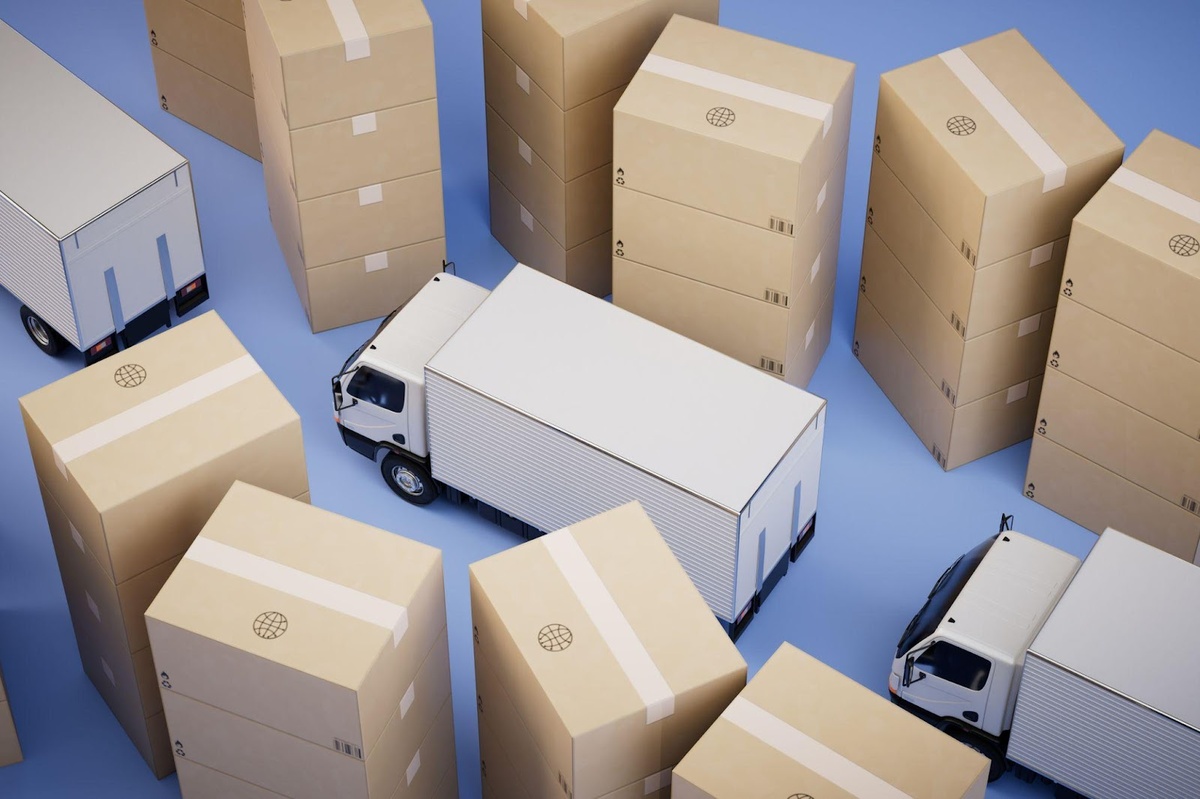

Deciding between LTL (Less Than Truckload) and FTL (Full Truckload) shipping depends on factors like shipment size, budget, and delivery urgency. LTL is ideal for smaller, cost-sensitive shipments, while FTL suits larger, time-critical loads. Understanding these options secures efficient logistics planning, helping businesses optimize costs and meet customer expectations without compromising on service quality or safety.
In the world of freight shipping, choosing the right transportation method can make all the difference. Whether you’re managing a small business or overseeing supply chain operations for a large corporation, understanding the nuances of LTL and FTL shipping is essential. These methods cater to different needs, from cost efficiency to speed and security. Making the right choice secures your shipments arrive on time, within budget, and in perfect condition, helping you meet customer expectations without unnecessary complications.
To navigate this decision effectively, it’s important to consider not only the shipment details but also the expertise of reliable logistics partners. Companies that provide licensed and insured trucking bring experience and professionalism to the table, securing your freight is handled with care. Let’s dive deeper into what sets LTL and FTL apart and how to determine which option is best for your load.
Understanding LTL Shipping: Benefits and Ideal Use Cases
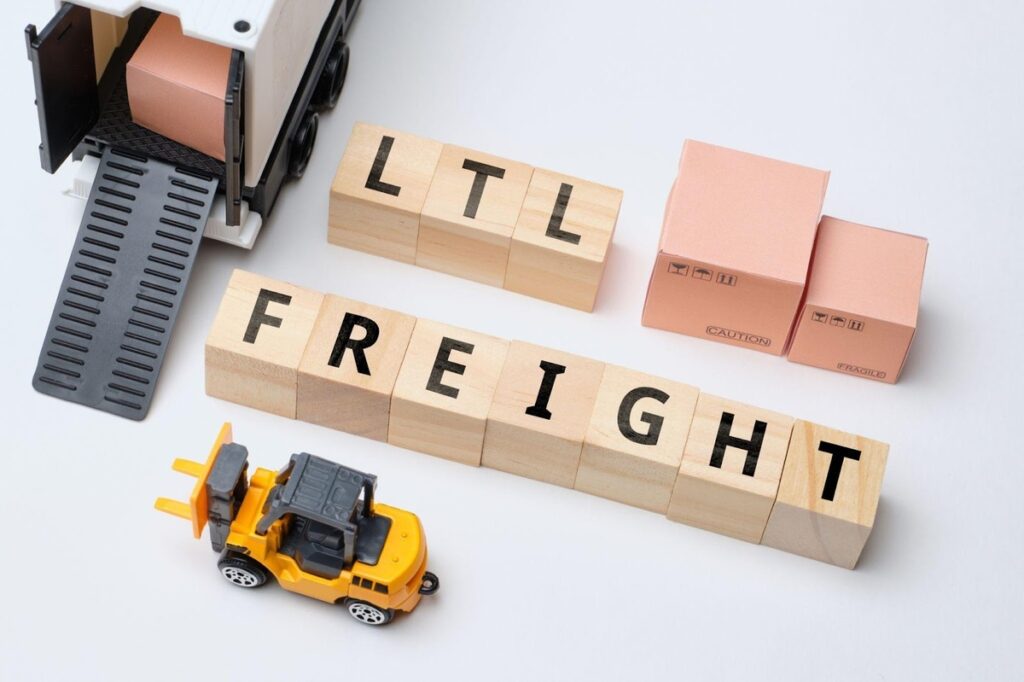
LTL shipping is a versatile solution for businesses that don’t require an entire truck for their freight. By sharing trailer space with other shipments, companies can significantly reduce costs while still securing their goods reach their destination safely. This method is particularly advantageous for smaller loads, making it a popular choice among Canadian businesses looking to optimize their logistics strategies.
Cost Efficiency
One of the most compelling reasons to choose LTL is its cost-effectiveness. Since multiple shippers share the same truck, the expense is divided proportionally based on the space each shipment occupies. For small to medium-sized businesses or those shipping infrequently, this approach translates into noticeable savings without compromising service quality.
Flexibility for Small Shipments
LTL is tailor-made for shipments weighing less than 10,000 pounds or occupying less than half a trailer. Its flexibility allows businesses to schedule pickups and deliveries according to their needs, without the commitment of booking an entire truck. This adaptability makes it an excellent option for companies with fluctuating shipping demands.
Environmental Impact
In today’s eco-conscious world, LTL shipping offers a sustainable advantage. By consolidating multiple shipments into a single truck, it reduces the number of vehicles on the road, thereby lowering carbon emissions. Businesses aiming to minimize their environmental footprint often find LTL aligns with their sustainability goals.
Exploring FTL Shipping: When Full Truckloads Are Best
FTL shipping is the go-to option for businesses that need to transport large volumes of goods or require expedited delivery. Unlike LTL, FTL dedicates an entire truck to a single shipper, providing a host of benefits that cater to specific logistical needs. This method is particularly advantageous for companies shipping high-value or time-sensitive cargo across Canada’s vast transportation network.
Speed and Direct Delivery
One of the standout features of FTL is its ability to deliver shipments quickly and directly. With no intermediate stops or transfers, the truck travels straight from the origin to the destination. This makes FTL ideal for businesses with tight deadlines or those transporting perishable goods that can’t afford delays.
Security for Sensitive Cargo
For shipments containing fragile, high-value, or confidential items, FTL minimizes handling risks. Since the cargo remains untouched throughout the journey, it’s less likely to suffer damage or loss. This added layer of security is a key reason why industries like pharmaceuticals and electronics often opt for FTL shipping.
Economies of Scale for Large Shipments
When your shipment fills an entire trailer, FTL becomes a cost-effective choice. By paying for a full truckload, you eliminate the inefficiencies associated with shared-space logistics. Additionally, consolidating all your goods into one shipment secures they arrive together, reducing the risk of partial deliveries or delays.
Comparing LTL vs. FTL: A Side-by-Side Analysis
To make an informed decision between LTL and FTL shipping, it’s helpful to compare them across key metrics. Each method has its strengths and limitations, and understanding these differences secures you choose the right option for your specific needs.
Here’s a detailed breakdown of how LTL and FTL stack up against each other:
| Metric | LTL Shipping | FTL Shipping |
| Shipment Size | Best for loads under 10,000 lbs | Ideal for shipments over 10,000 lbs |
| Cost | Lower per-unit cost, shared expenses | Higher overall cost, but cost-effective for full trailers |
| Transit Time | Slower due to multiple stops and transfers | Faster with direct, non-stop routes |
| Handling | Increased handling during consolidation | Minimal handling, cargo remains untouched |
| Best For | Small, non-urgent, or budget-conscious shipments | Large, time-sensitive, or high-value loads |
Factors to Consider When Deciding Between LTL and FTL
Choosing between LTL and FTL isn’t a one-size-fits-all decision. Several factors come into play, and understanding these variables secures you select the most efficient and cost-effective solution for your business.
Shipment Size and Weight
If your shipment is small or medium-sized, LTL is often the more practical choice. However, if your load fills an entire trailer, FTL becomes the logical option to avoid unnecessary costs associated with unused space.
Budget Constraints
Businesses operating on tight budgets may find LTL’s shared-cost model appealing. Conversely, companies with larger logistics budgets can leverage FTL for its added benefits, such as faster delivery and reduced handling.
Delivery Timelines
Time-sensitive shipments, such as those required for just-in-time manufacturing or retail restocking, benefit from FTL’s direct routing. LTL, while cost-effective, involves multiple stops and transfers, which can extend transit times.
Cargo Sensitivity
Fragile, perishable, or high-value items often require the minimal handling offered by FTL. This reduces the risk of damage or loss, securing your goods arrive in pristine condition.
Environmental Goals
For businesses committed to sustainability, LTL’s consolidated approach helps reduce the carbon footprint by maximizing truck capacity and minimizing empty miles.
Final Thoughts: Making the Right Choice for Your Load
LTL and FTL shipping are two options where both decisions should be made carefully according to the specific requirements of your business. Each of the two methods has its own benefits and the most appropriate approach will always be determined by the size of shipment, the budget, urgency, and the nature of cargo. When assessing these variables, you will be able to make sure that your logistics strategy will be in line with your operational objectives and will be efficient and cost-effective.
To the companies working in Canadian transportation environment which is varied and complex, knowing the ins and outs of LTL and FTL is only a start. You should also collaborate with competent logistics partners to improve your capacity to conduct smooth shipping activities.
The final aim is to balance the cost savings, speed of delivery and the security of the cargo. The most important thing is to make the right choices that will help your business grow and keep customers happy whether you choose the efficiency of the shared LTL or the reliability of the single FTL. The proper strategy will help you to make sure that your shipments come on time, at an affordable cost, and in a perfect condition – every time.