

Keeping a high-mileage vehicle running smoothly comes down to understanding how age affects performance and staying consistent with maintenance. Cars are lasting longer than ever.
As per S&P Global, the average age of vehicles in the United States reached 12.8 years in 2025. This marks the second straight year of a two-month increase. With more drivers relying on older cars, proactive care becomes essential.
In This Article:
Simple habits like checking fluids and addressing small issues early can make a big difference. Getting timely help from a trusted auto repair professional also helps keep an aging vehicle dependable and ready for everyday driving.
Stay Consistent With Oil Changes and Fluid Maintenance
Staying consistent with oil changes and fluid maintenance is essential for keeping a high-mileage vehicle running smoothly for years. A Nasdaq article citing a Carfax study found that about 41 percent of vehicles nationwide are overdue for important maintenance work. Nearly 20 percent are even behind on basic oil changes, which increases the risk of engine damage and costly repairs.
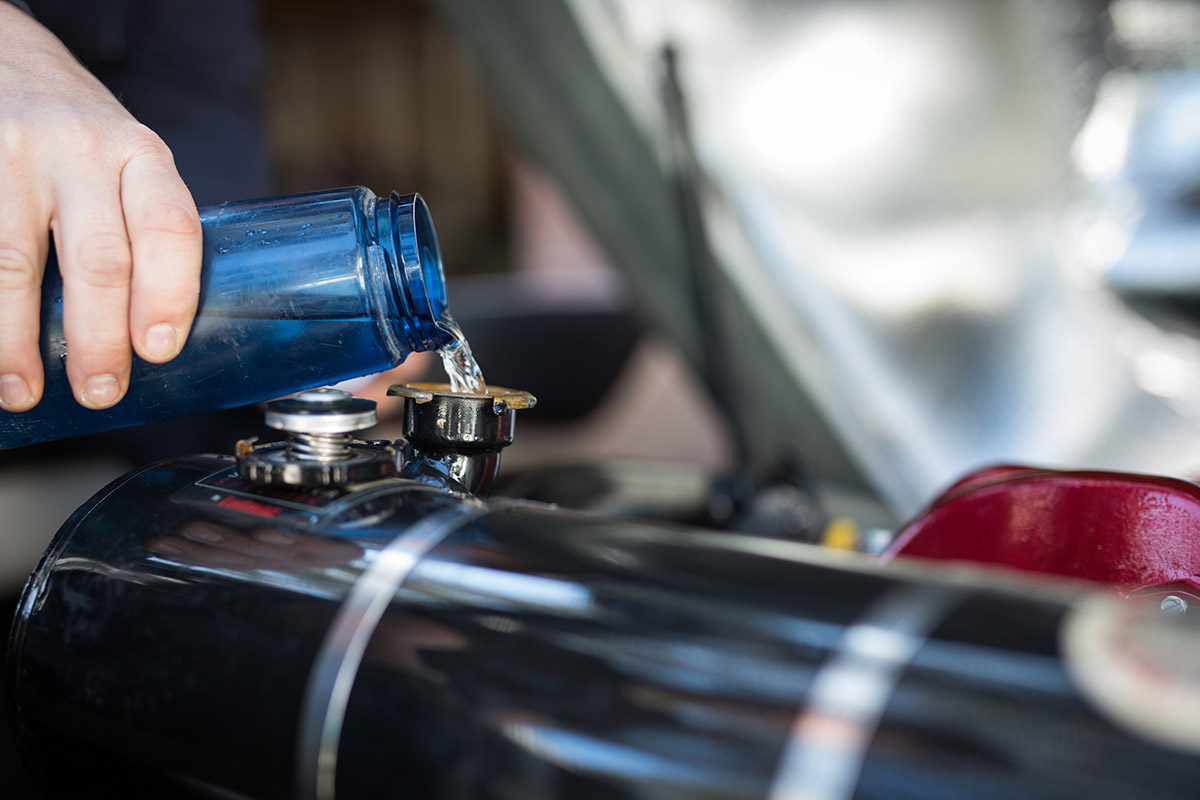
Regularly checking coolant, brake fluid, transmission fluid, and power steering fluid helps prevent overheating and internal wear in older vehicles. High-mileage engines benefit from timely service, so do not wait for warning signs before scheduling maintenance.
A local auto repair shop can also help identify small problems early and protect the long-term health of your vehicle.
Get Professional Inspections When Issues Become Hard to Spot
Getting professional inspections becomes essential when high-mileage vehicles start showing subtle issues that are difficult to notice on your own. Small changes in engine sound, minor vibrations, or reduced responsiveness can point to deeper problems that only a trained technician can diagnose accurately.
This is more crucial in places like Sterling, VA, where skilled mechanics are in high demand. Indeed reports that the average automotive mechanic salary in Sterling is $30.51 per hour, which is 9 percent higher than the national average. This reflects both the expertise available and the cost of professional work in the area.
Timely inspections can prevent minor issues from becoming expensive repairs, which is especially important in higher-priced regions. Choosing reliable auto repair in Sterling, VA, helps you protect your high-mileage vehicle and your budget.
RevTech Performance notes that most cars should be serviced every six months. They also recommend service every five thousand to seventy-five hundred miles, depending on the vehicle and driving conditions. Staying on this schedule with the help of auto repair in Sterling, VA, can keep your car running smoothly and prevent avoidable issues.
Monitor and Replace Worn-Out Belts and Hoses
Monitoring and replacing worn-out belts and hoses is essential for keeping high-mileage vehicles running smoothly. These components handle vital functions such as circulating coolant and driving the alternator. Even small cracks or leaks can lead to overheating or sudden breakdowns. As cars age, belts and hoses become more vulnerable to heat, pressure, and wear.
Recent industry trends highlight how important these parts have become. Mordor Intelligence reports that the automotive belts and hoses market is estimated at $23.17 billion in 2025. It may reach $31.55 billion by 2030. This growth is driven by stricter efficiency and emissions standards.
This growing demand reflects how critical durable, well-maintained components are for aging vehicles. Regular inspections and timely replacements help prevent costly failures and keep your engine dependable.
Pay Attention to Suspension and Steering Wear
As vehicles accumulate miles, suspension and steering components like shocks, struts, ball joints, and tie rods naturally begin to wear down. You might notice uneven tire wear, loose or wandering steering, clunking noises, or a rougher ride over bumps.
These symptoms can reduce stability, increase stopping distance, and strain other parts of the vehicle if left unaddressed. Regular checks help identify worn parts early so they can be replaced before they cause larger issues.
Keeping these systems in good shape improves handling, maintains ride comfort, and supports the overall reliability of a high-mileage vehicle.
Watch for Warning Lights and Unusual Noises
Dashboard alerts for the engine, brakes, oil pressure, or temperature should never be ignored, since they usually signal issues that can worsen quickly. Sounds like knocking, grinding, squealing, or rattling can also point to problems with components such as the engine, suspension, or brakes.
Older vehicles are more prone to these early warning signs as parts age and wear down. Consulting an experienced auto repair professional when these signs first appear can prevent minor issues from turning into expensive repairs or unexpected breakdowns. Addressing them promptly helps prevent minor issues from turning into expensive repairs or unexpected breakdowns.
Paying attention to what your car is trying to tell you is one of the simplest ways to keep it running smoothly.
Maintain Healthy Engine Performance
Maintaining healthy engine performance is one of the most important steps for keeping a high-mileage vehicle dependable. Older engines work harder as they age. Regular tune-ups, clean filters, fresh spark plugs, and proper sensor function all help maintain power and fuel efficiency.
Paying attention to changes like rough idling, reduced acceleration, or unusual vibrations can help you catch problems early. The need for proper engine care is clear when you look at national trends.
The American Automobile Association reports that in 2024, roadside assistance responders received more than 27 million emergency roadside service calls. Around 13 million of those vehicles required towing. Many of these breakdowns were linked to preventable mechanical or engine issues. Regular maintenance and timely visits to a trusted auto repair shop help lower your chances of experiencing similar breakdowns.
Frequently Asked Questions
Is it worth investing in repairs on an older vehicle?
It can be worth investing in an older vehicle if the repairs are minor and the engine and frame are still in good condition. Regular maintenance often costs far less than buying a new car, especially when the vehicle remains safe and reliable.
Can high-mileage cars still be reliable for daily use?
Yes, high-mileage cars can stay reliable for daily use if they receive consistent maintenance. Regular oil changes, timely repairs, and routine inspections help prevent breakdowns. When major components remain healthy, many high-mileage vehicles continue performing well long after passing typical mileage milestones.
What maintenance costs should I expect each year for an older car?
Older cars typically require between a few hundred and a thousand dollars per year in maintenance, depending on mileage and condition. Expect costs for oil changes, brake work, belts, hoses, and occasional larger repairs. Regular upkeep helps avoid more expensive problems later.
Making High-Mileage Cars Last Longer
High-mileage vehicles can stay dependable with consistent care and quick attention to small issues. Regular maintenance, timely inspections, and listening for early warning signs all help prevent costly repairs and extend a vehicle’s life.
When each system is checked and maintained properly, even older cars can remain safe and reliable for everyday driving.