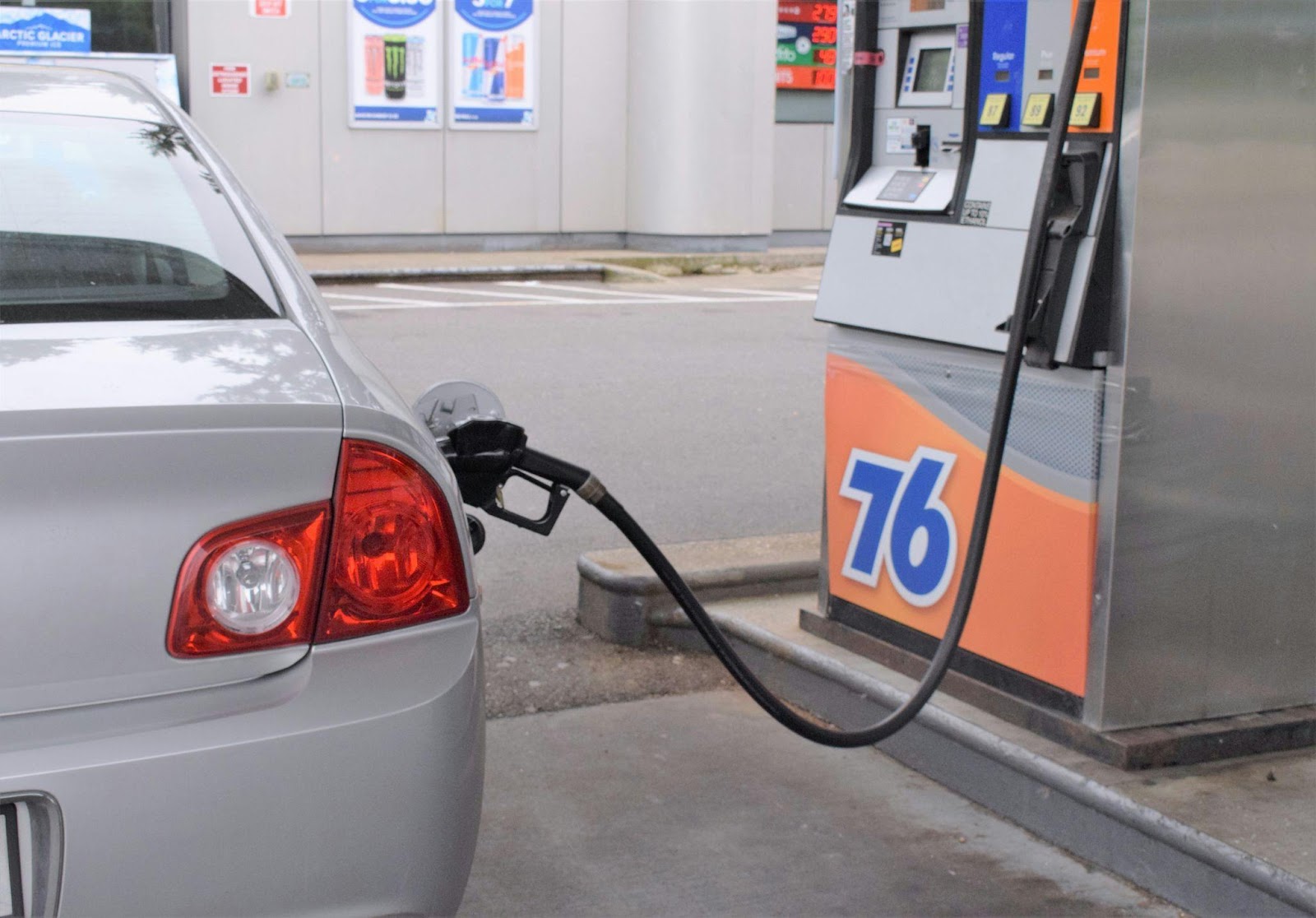
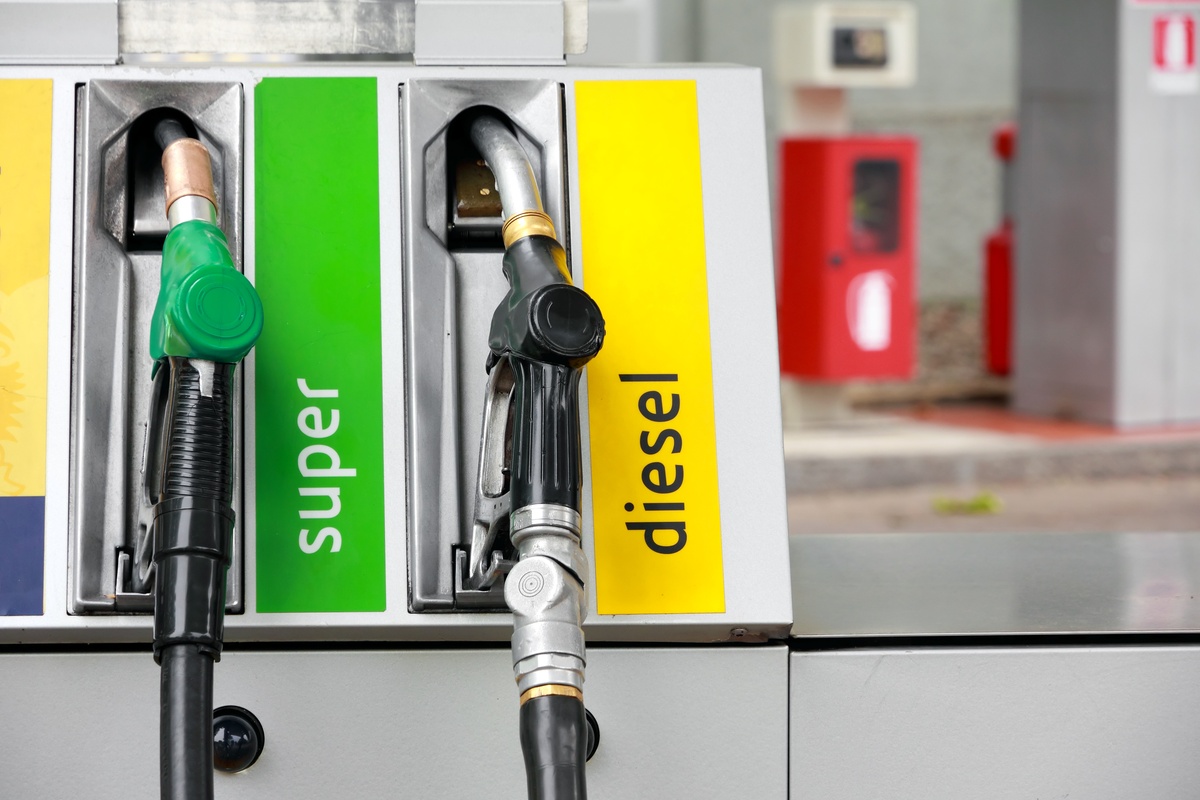
In the United States, the car has long been more than just a way to get around; it’s a true symbol of identity. But that very passion for mobility has also led to a deep reliance on gas and diesel. The result? Energy bills that soar every time oil prices climb, and perhaps more alarming, an environmental impact that no one can simply ignore.
In This Article:
Why look for alternatives?
The country has one of the largest vehicle fleets on the planet, and its environmental impact is impossible to overlook. Add to that an economic factor: oil dependence. And with a global market growing more unstable by the day, the price of a barrel often feels like a roulette wheel deciding, week after week, how much it will cost to fill your tank.
The federal government and several states have taken the challenge seriously, pushing electric vehicles with a charging network that expands daily, and betting on hydrogen projects as a real alternative for fleets and heavy transport.
But change isn’t measured only in stats and charts. You can feel it in the cars themselves. The rise of alternative fuels demands a redesign of pieces of auto: fuel injection systems tailored for biofuels, smarter catalysts to cut NOx emissions, high-voltage batteries built to handle hundreds of charging cycles, cryogenic tanks for LNG, or high-pressure systems for CNG and hydrogen.
Compressed Natural Gas (CNG)
Compressed Natural Gas, better known as CNG, has been on the radar for years as one of the strongest alternatives to diesel and gasoline, especially for city fleets and commercial vehicles.
From an environmental standpoint, CNG can cut greenhouse gas emissions by up to 20% compared with gasoline. Against diesel, the edge is smaller (between 5% and 10%) but still makes a noticeable difference in busy urban areas.
Yet it’s not all upside. CNG comes with clear limitations. Its energy density is lower than diesel, which means shorter driving ranges and the need to plan routes more carefully.
Liquefied Natural Gas (LNG)
Liquefied Natural Gas, or LNG, has become the big bet for long-haul transport. We’re talking about trucks crossing the country coast to coast, where range and efficiency matter just as much as cost per mile.
While CNG must be stored under high pressure, LNG stays in liquid form through cryogenics, kept at extremely low temperatures, around -160 °C. That allows far more fuel to be stored in less space, translating into ranges that can exceed 600 miles.
Still, its cryogenic tanks demand flawless thermal insulation to prevent gas evaporation, known as boil-off. And installing such systems comes with a high upfront cost.
Biofuels
Ethanol, in blends like E10 (10% ethanol and 90% gasoline), is already part of daily life for millions of drivers. In some states—especially across the Midwest—you’ll also find options like E15 and E85, aimed at “flex-fuel” vehicles built to run on high levels of alcohol.
Biodiesel, meanwhile, is commonly used in blends such as B20 (20% biodiesel and 80% regular diesel). It can deliver net CO₂ cuts ranging anywhere from 8% to 50%, depending on the blend and how it’s produced.
The Achilles’ heel of biofuels is energy efficiency. Both ethanol and biodiesel pack less energy per gallon than fossil fuels, which means higher consumption to cover the same distance.
Hydrogen (Fuel Cells)
What’s so compelling about hydrogen is that when a fuel cell car is on the road, its exhaust releases nothing but water vapor. No CO₂, no nitrogen oxides, nothing that harms the quality of urban air.
It sounds clean, and it truly is, but it’s also complex. These vehicles need a cell stack strong enough to sustain the electrochemical reaction reliably, tanks built to store hydrogen at extremely high pressures (around 700 bar), and advanced cooling systems to keep everything running at the right temperature.
Electricity
Tesla changed the game with its sleek sedans and SUVs. Rivian turned heads with its adventure-ready pickups. And Ford shook things up with the F-150 Lightning, heir to the nation’s best-selling truck. The electric market is booming, and it shows no signs of slowing down. Still, along with the excitement come nuances, challenges, and tough questions.
The advantages are undeniable. Electric vehicles produce zero tailpipe emissions. They glide through the streets without releasing a single puff of smoke, vital in cities where air pollution has become a public health issue. On top of that, their simpler mechanics mean less maintenance and fewer breakdowns.
Yet the biggest hurdle of electrification remains range on long trips. While some models already top 300 miles on a single charge, many drivers still struggle with what’s known as “range anxiety.” And then there’s charging time: filling a gas tank takes five minutes, but getting a battery to 80% can take anywhere from half an hour to several hours, depending on the charger.
Comparative table of alternatives to Gasoline and Diesel
| Fuel / Technology | GHG Emissions | Driving Range | Main Costs |
| Compressed Natural Gas (CNG) | 15–20% lower than gasoline, but similar or higher than diesel | Limited (190–250 miles on CNG only) | Moderate, infrastructure still limited |
| Liquefied Natural Gas (LNG) | Lower than CNG, especially for heavy-duty transport | High (600+ miles) | High: cryogenic tanks and limited refueling points |
| Biofuels (Ethanol E10–E85, Biodiesel B20) | Net CO₂ cut up to 50%, depending on blend and source | Comparable to gas/diesel, though less efficient | Competitive, uses existing infrastructure |
| Hydrogen (Fuel Cell) | Nearly zero in use (only water vapor) | 310–370 miles | Very high: costly vehicles and fueling stations |
| Electricity | Zero local emissions (depends on power grid mix) | 190–310 miles on average | High due to batteries, though declining |
Which alternatives are most viable in the short term in the U.S.?
In the short term, ethanol is taking the lead. Its use in blends like E10 or E15 requires almost no changes to existing infrastructure or most vehicles, making it a practical option that can be rolled out quickly.
CNG is another strong contender right now, though its growth depends heavily on expanding refueling stations and investing in high-pressure tanks and specialized safety systems.
And of course, electric vehicles continue to stand out as the most visible and talked about, choice. Still, looking ahead, hydrogen is emerging as one of the most promising bets for the future.