
We live in a world where both landlords and tenants prefer to keep their expenses as low as possible. Tenants find renewable energy to be a great choice for that. To cater to the demand, landlords are increasingly adopting renewable energy for their rental properties. Apart from saving money, renewable energy can help increase efficiency and minimize negative impact on the environment. With that in mind, let’s continue reading the article below as we deep dive and explore the benefits of renewable energy in rental properties.
Common Forms of Renewable Energy
It is possible to integrate renewable energy into rental properties in many different ways. Let’s take a look at the most common options among them.
- Solar Panels
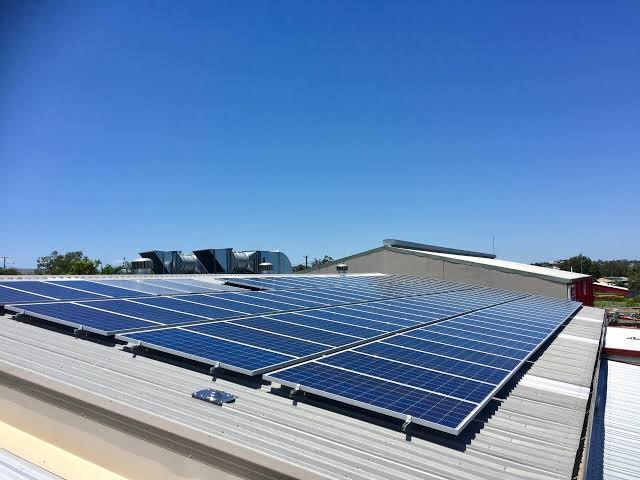
When you hear about renewable energy, solar power is the first thing that comes to your mind. It is the most popular form of renewable energy that is available to residential properties as well.
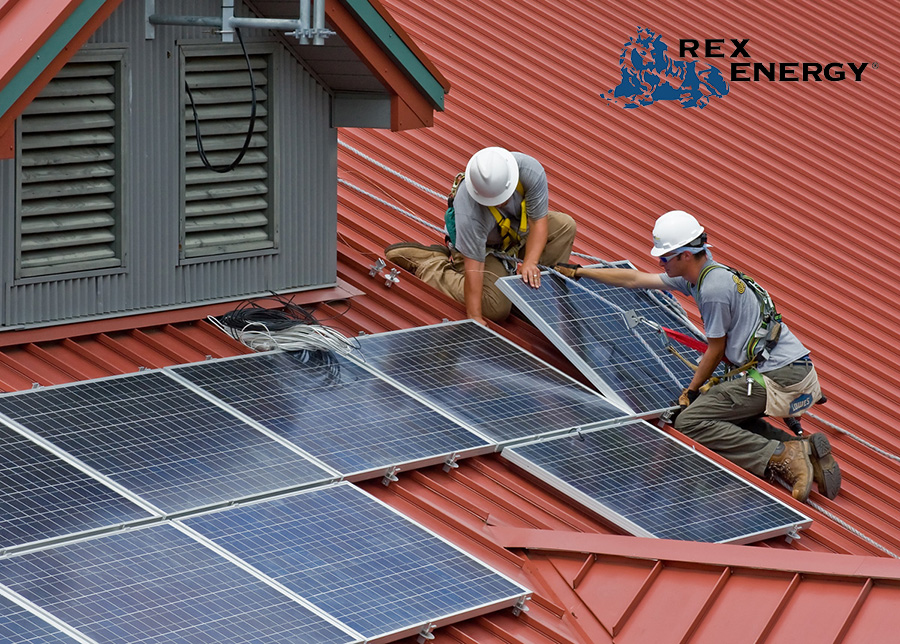
Solar panels are capable of converting sunlight into electricity. You can use that electricity to power up appliances, lighting, and even HVAC systems. The availability of government incentives tempts many landlords to consider this option. The initial investment for solar energy will be paid off within a short time period as well.
- Heating Systems
Another great example of renewable energy is renewable heating systems. Solar water heaters and biomass boilers are a few great examples. The biomass boilers rely on organic materials such as wood pellets to generate heat. Likewise, solar water heaters use energy from the sun to provide hot water. These alternatives can decrease reliance on fossil fuels. Moreover, they ensure that tenants have access to consistent heating and hot water.
- Geothermal Energy
Geothermal energy is not as common, but landlords can consider using it. It is a great option available for larger rental communities. It uses a constant heat source stored beneath the Earth’s surface to regulate building temperature. This method is associated with high upfront expenses. However, it offers significant energy savings, as well as time.
Challenges of Installing Renewable Energy Systems

Before adopting renewable energy, you need to be aware of the challenges associated with it. Here are the most common challenges.
- High Upfront Costs
Cost is the biggest barrier that keeps landlords away from adopting renewable energy. Solar panels, biomass boilers, and geothermal systems require significant upfront expenses. Some landlords consider this a risky expense.
- Financing Options
There are financing options available for the landlords who wish to implement renewable energy systems. They are available through many governments as well as local agencies. However, accessing those financing options can be challenging.
- Landlord-Tenant Alignment
Landlords will need to find ways to align with tenants to experience the benefits of renewable energy systems. For example, some landlords cover installation costs while tenants pay utility bills. This can lead to situations where landlords may not directly benefit. This is why landlords should amend their lease agreements to reflect cost savings.
If you want to overcome these challenges, you need to work with a team of experts. Work with a rental management company to provide realistic estimates of energy savings to tenants on their utility costs.
Benefits of Renewable Energy in Rental Properties
There are indeed challenges with getting renewable energy to rental properties. However, the benefits that you get in return would outweigh those drawbacks. Here are the most common benefits you can experience.
- Lower Energy Costs
Lower utility bills can make a huge difference for tenants. Many renters are open to slightly higher rent if they know they will save money on electricity and heating each month. For example, solar panels can generate enough energy to meet a household’s needs. This can help cut bills in half or more. These savings not only reduce financial stress but also increase tenant satisfaction. It all can eventually result in longer lease agreements.
- Increased Property Value
Properties with renewable energy systems are often valued higher in the market. Buyers and investors see renewable energy as a long-term advantage. On the other hand, tenants view it as a bonus when selecting a rental. According to several real estate studies, homes with solar panels or renewable heating systems tend to sell faster and for higher prices. For landlords, this means renewable systems can directly improve the return on investment when it comes time to sell the property.
- Environmental Impact
Beyond financial benefits, renewable energy helps reduce reliance on fossil fuels. It helps reduce carbon emissions and pollution. Some tenants are mindful about sustainability when trying to find a place to live. Landlords can make their properties more appealing to such tenants by installing renewable energy systems. As public awareness of climate change grows, properties with eco-friendly features have a competitive edge in attracting tenants.
- Tenant Retention and Attraction
Another overlooked benefit is tenant loyalty. Renters are more likely to stay in a property that supports lower costs and a sustainable lifestyle. At the same time, environmentally conscious renters specifically seek these types of properties. This means fewer vacancies and less money spent on marketing or preparing units for new tenants. Encourage questions on how tenants can conserve water and energy in your rental during their lease.
- Long-Term Stability
Renewable energy systems provide stability against fluctuating utility rates. Traditional electricity and gas prices often rise due to increases in fuel costs, supply chain issues, and global events. Renewable energy, on the other hand, is a consistent source. For landlords planning to hold their properties long-term, this stability ensures predictable operating expenses.
Final Words
The idea of using renewable energy in rental properties is gaining popularity over time. You just need to learn how to overcome challenges, and then you can continue to experience the benefits they can offer. Using renewable energy sources is a great option for attracting tenants to a rental property as well.