You’re installing an outdoor drinking fountain for your school, park, or backyard, but nobody’s getting a proper drink because the water barely trickles out. Sound familiar? After 12 years of installing drinking water systems, I can tell you that 90% of disappointing drinking fountains trace back to one problem: inadequate pump sizing.
Most people believe that any water pump will work for drinking fountains. Wrong. Drinking fountains need consistent water pressure to create that perfect drinking arc—not too weak, not so strong it soaks your shirt. Get the pump wrong, and you’ll have frustrated users and constant complaints.
The good news? Once you understand the specific requirements for drinking water delivery, pump selection becomes straightforward. Whether you’re planning a simple backyard hydration station or a multi-user outdoor drinking fountain for a sports facility, the principles stay the same.
In This Article:
Understanding Drinking Fountain Pump Requirements
Drinking fountains aren’t decorative water features. They need consistent water pressure, not pretty water displays. This fundamental difference changes everything about pump selection.
Pressure vs Flow Requirements
Water pressure matters more than flow rate for drinking fountains. You need 15-50 PSI at the fountain head to create a proper drinking arc. Too little pressure creates weak dribbles. Too much pressure creates messy geysers that soak users.
Most residential water systems provide 40-60 PSI, which works perfectly for drinking fountains. But if you’re installing fountains far from your main water line or at higher elevations, you’ll need booster pumps to maintain adequate pressure.
Flow rate requirements are surprisingly low. A drinking fountain only needs 1-2 GPM (gallons per minute) for normal operation. Compare that to decorative fountains that might need 10-50 GPM, and you’ll see why standard fountain pumps often overpower drinking applications.
Different Pump Types for Drinking Water
- Pressure booster pumps increase water pressure without dramatically increasing flow. These work best when your existing water pressure is too low but your flow rate is adequate.
- Submersible well pumps pull water from underground sources and provide both pressure and flow. Essential for remote locations without municipal water connections.
- Recirculating pumps keep water moving through long pipe runs to prevent stagnation and maintain temperature. Important for large installations with multiple drinking stations.
- Filtration system pumps push water through purification systems before delivery. Required when water quality doesn’t meet drinking standards.
Sizing for Different Installation Types
Your installation type determines pump requirements more than fountain style. A simple backyard setup needs different pumping than a school playground with 200 kids.
Residential Backyard Installations
Most homes don’t need additional pumps if municipal water pressure exceeds 30 PSI. Your existing house pressure should provide adequate drinking fountain operation.
Add a pressure booster pump if your house pressure drops below 25 PSI or if your drinking fountain sits more than 100 feet from your main water line. Friction losses in long pipe runs reduce pressure significantly. Winterization becomes critical for year-round operation. Choose pumps with easy drain systems or plan for seasonal shutdown in freezing climates.
School and Park Installations
Multiple user scenarios require different planning. Peak usage times (recess, after sports) can overwhelm undersized systems. Plan for 20-30 users per hour during peak times.
ADA compliance affects pump sizing. Accessible drinking fountains need consistent pressure for users with limited mobility. Pressure variations that healthy adults can handle become barriers for disabled users. Consider bottle filling stations alongside traditional drinking fountains. These require higher flow rates (3-5 GPM) but lower pressure than drinking spouts.
Sports Facility Requirements
Athletic facilities need robust systems that handle heavy usage without pressure drops. Plan for 50+ users per hour during tournaments or busy practice schedules.
Water temperature management becomes important for outdoor installations. Pumps that circulate water through cooling systems maintain refreshing water temperatures even in hot weather. Vandal-resistant pump installations protect expensive equipment from damage. Secure pump housings and remote pump locations prevent tampering.
Key Factors for Pump Selection
Water Source Considerations
- Municipal water connections typically provide adequate pressure for drinking fountains. You might only need simple pressure regulation rather than pumping.
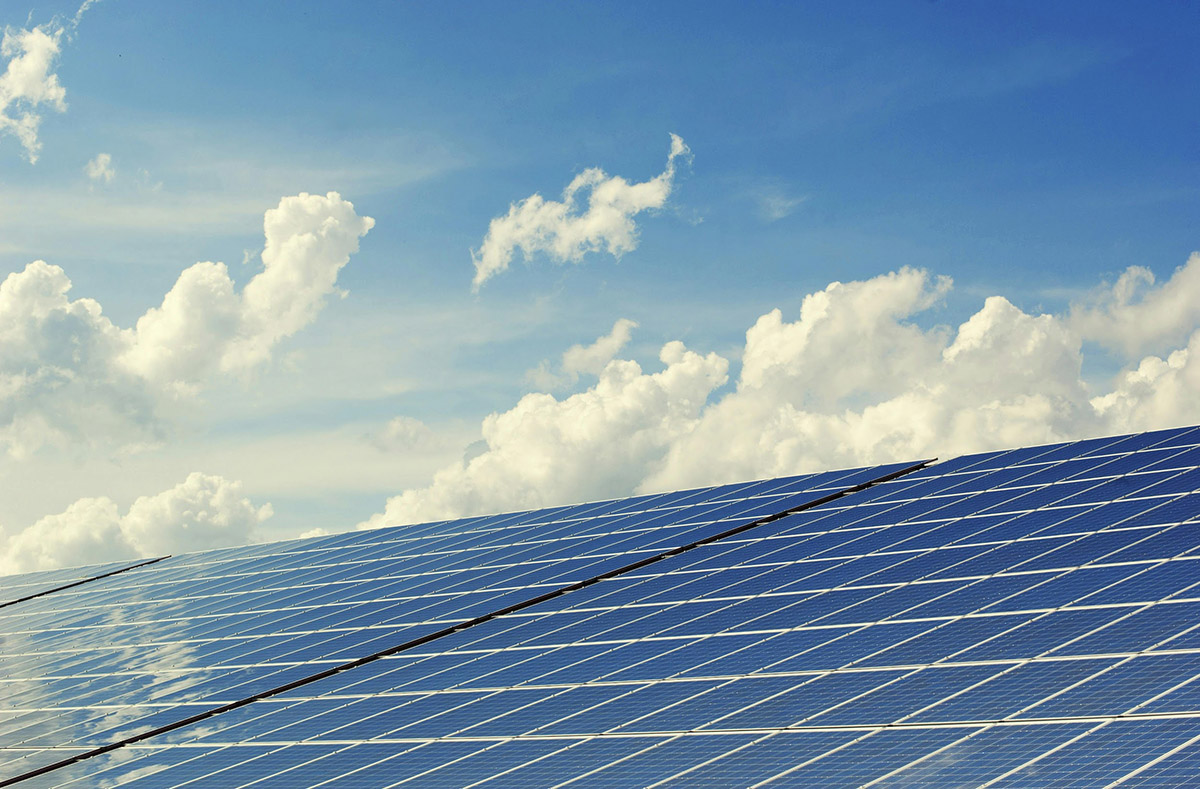
- Well water systems require pumps that provide both pressure and flow. Deep wells need submersible pumps rated for your specific well depth and water table conditions. For remote locations without reliable electrical service, solar water pumps offer an excellent alternative, providing consistent water delivery without ongoing electrical costs or the need for grid connections.
- Stored water systems (tanks, cisterns) need pumps that can draw from storage and maintain consistent pressure. Consider variable speed pumps that adjust output based on demand.
Filtration Requirements
Drinking water quality standards are much higher than decorative fountain requirements. Your pump must provide adequate pressure to push water through filtration systems without reducing flow.
Carbon filters require a minimum pressure of 10-15 PSI to function properly. Reverse osmosis systems need 40-60 PSI for effective operation. Factor these pressure requirements into pump sizing.
UV sterilization systems add minimal pressure loss but require consistent flow rates for proper disinfection. Choose pumps that maintain a steady flow rather than a pulsing operation.
Climate and Seasonal Factors
- Freeze protection prevents costly pump damage during the winter months. Install pumps below frost lines or in heated enclosures for year-round operation.
- Hot weather operation can reduce pump efficiency and increase energy consumption. Choose pumps rated for high ambient temperatures if they’ll operate in direct sunlight.
- Seasonal usage patterns might justify variable speed pumps that operate efficiently during low-demand periods while providing full capacity when needed.
Avoiding Common Sizing Mistakes
Over-Pressurizing Systems
Too much pressure creates safety hazards. Water shooting too forcefully can injure children or elderly users. Install pressure regulators to maintain safe operating pressure regardless of supply pressure. Over-pressurized systems also waste water through excessive splash and user discomfort. Most people avoid drinking fountains that spray water too aggressively.
Under-Sizing for Peak Demand
Plan for busy periods, not average usage. A pump that works fine during normal times might fail during school dismissal or tournament breaks when demand spikes.
Under-sized pumps work harder during peak demand, leading to premature failure and inconsistent performance when users need water most.
Ignoring Water Quality Requirements
Drinking water pumps must handle filtration loads. Decorative fountain pumps aren’t designed to push water through the filtration systems required for safe drinking water. Corrosion-resistant materials become critical for drinking water applications. Pumps with brass or stainless steel components last longer and don’t contaminate drinking water.
Expert Guidelines and Standards
According to the Environmental Protection Agency, outdoor drinking fountains must meet the same water quality standards as indoor facilities. The EPA states: “Public drinking water systems must maintain adequate pressure to ensure proper operation of all connected fixtures.”
The International Association of Plumbing and Mechanical Officials (IAPMO) requires a minimum 15 PSI pressure at drinking fountain outlets, with optimal performance at 25-35 PSI for proper arc formation.
| Installation Type | Users/Hour | Minimum PSI | Recommended GPM | Typical Pump Size |
| Residential | 5-10 | 20-30 PSI | 1-2 GPM | Booster pump (if needed) |
| Small school | 20-50 | 25-35 PSI | 2-4 GPM | 1/2 HP pressure pump |
| Large facility | 50+ | 30-40 PSI | 5-10 GPM | 3/4-1 HP pump system |
| Athletic complex | 100+ | 35-45 PSI | 10-15 GPM | 1-2 HP with storage |
Professional Installation Considerations
Working with Water System Specialists
Don’t guess on drinking water systems. Companies like The Fountain Direct understand the specific requirements for potable water delivery versus decorative water features. Their expertise ensures you get pumping systems that meet health codes and provide reliable operation.
Testing and Commissioning
- Pressure testing reveals system weaknesses before users depend on your installation. Test at various demand levels to ensure consistent performance during peak usage periods.
- Water quality testing confirms your pump system doesn’t introduce contaminants. This is especially important for well water systems or installations with extensive pipe runs.
- Flow pattern testing ensures proper drinking arc formation at all fountain heads. Adjust pump pressure or install flow restrictors to achieve optimal user experience.
Maintenance Planning
- Drinking water systems require more frequent maintenance than decorative fountains. Plan for monthly filter changes, quarterly system sanitization, and annual pump inspections.
- Pump accessibility becomes critical for maintenance scheduling. Design pump installations that allow service without disrupting water service to users.
- Backup systems prevent extended outages during pump failures. Consider redundant pumps for critical installations like schools or healthcare facilities.
Seasonal Operation and Winterization
Freeze protection prevents expensive damage. Install pumps in heated spaces or below frost lines. Use heat trace cables for exposed piping in moderate climates.
Drain systems allow complete water removal for seasonal shutdown. This approach is more effective than heating systems in areas with prolonged freezing periods.
Spring startup procedures include system sanitization and pressure testing before returning to service. Document these procedures for consistent annual operation.
Frequently Asked Questions
Can I use the same pump for drinking fountains and decorative features?
Generally no. Drinking fountains need consistent pressure for proper operation, while decorative fountains prioritize flow volume and visual effects. The pump characteristics are different for each application.
How much does it cost to operate a drinking fountain pump?
Small residential booster pumps cost $2-5 monthly to operate. Larger facility pumps might cost $15-30 monthly, depending on usage patterns and local electricity rates. Energy-efficient pumps pay for themselves through lower operating costs.
What maintenance does a drinking fountain pump need?
Monthly: Check pressure gauges and clean intake screens. Quarterly: Sanitize the system and test water quality. Annually: Professional pump inspection and filtration system service. More frequent maintenance may be required in high-use installations.