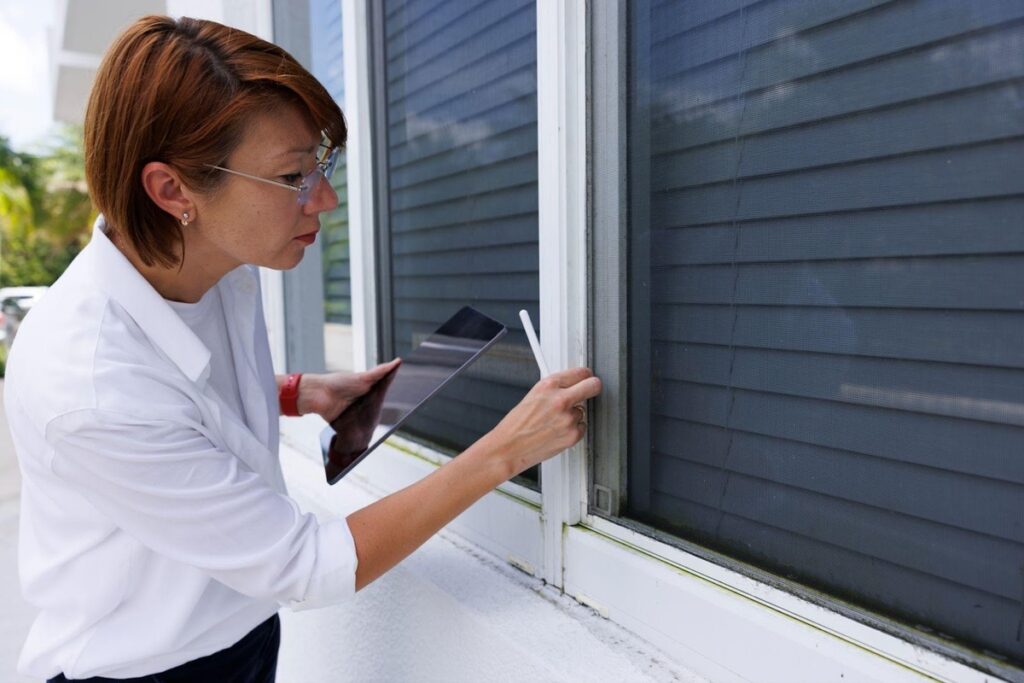
Energy-efficient windows are a game-changer for Calgary homes, offering significant reductions in energy costs while enhancing indoor comfort. Properly installed windows prevent drafts, reduce heat loss during harsh winters, and block excessive heat in the summer. This not only lowers utility bills but also contributes to a smaller environmental footprint. Expert installation secures these benefits are fully realized, making it a critical step for homeowners seeking long-term savings and improved home performance.
In This Article:
Imagine stepping into your living room on a frosty Calgary morning, coffee in hand, only to feel an unwelcome chill creeping through your windows. Drafts and poorly insulated windows can make even the coziest spaces uncomfortable while driving up heating costs. In a city known for its unpredictable climate – bitter winters and occasional summer heatwaves – energy efficiency is no longer optional; it’s essential.
Windows play a pivotal role in maintaining your home’s energy balance. They are often the weakest link in a home’s insulation system, responsible for significant heat loss if not properly designed or installed. That’s why many homeowners turn to professional window installation in Calgary to secure their windows perform as intended. By addressing gaps, improving seals, and choosing high-quality materials, expert installation transforms windows into powerful tools for energy savings.
In this article, we’ll explore how windows impact energy efficiency, why professional installation matters, and what you can do to maximize your home’s performance. Let’s uncover how small changes can lead to big results for your comfort and wallet.
Understanding the Role of Windows in Energy Efficiency
Windows are more than just openings to let in light and fresh air – they are a critical component of your home’s energy ecosystem. In Calgary, where temperatures can swing dramatically from -30°C in winter to 30°C in summer, windows either help regulate indoor comfort or contribute to energy waste. Understanding their role is key to making informed decisions about improving your home’s efficiency.
Heat Loss and Gain Through Windows
A significant portion of a home’s heat loss occurs through its windows. During colder months, poorly insulated windows allow warm air to escape while letting cold drafts seep in. Conversely, in the summer, inefficient windows can let in excessive heat, forcing your air conditioning system to work harder. This constant battle with temperature fluctuations leads to higher energy bills and unnecessary strain on HVAC systems.
For instance, single-pane windows are notorious for their poor insulation properties, whereas double or triple-glazed windows with low-emissivity (Low-E) coatings are designed to minimize heat transfer. These modern options reflect radiant heat back into your home during winter and block it from entering during summer, creating a more stable indoor climate year-round.
How Energy-Efficient Windows Work
Energy-efficient windows incorporate advanced technologies to combat heat loss and gain. Key features include:
- Double or Triple Glazing: Multiple glass panes create layers of insulation, reducing heat transfer.
- Low-Emissivity Coatings: Thin metallic layers reflect infrared light, keeping heat inside during winter and outside during summer.
- Gas Fills: Inert gases like argon or krypton are inserted between panes to enhance insulation.
- Thermally Broken Frames: Materials like vinyl or fiberglass prevent heat from escaping through the window frame itself.
Key Features of Energy-Efficient Windows

Energy-efficient windows are designed with specific features to combat heat loss, reduce energy consumption, and enhance overall home comfort. Understanding these features can help you make informed decisions when upgrading your windows. Let’s break down the most important elements that contribute to their performance.
Glazing Options: Double vs. Triple Glazing
The number of glass panes in a window directly impacts its insulation capabilities. Here’s how they compare:
- Double-Glazed Windows: These consist of two panes of glass with a gap in between, typically filled with insulating gas like argon. They strike a balance between cost-effectiveness and energy efficiency, making them a popular choice for Calgary homes.
- Triple-Glazed Windows: Featuring three panes of glass, these windows offer superior insulation, ideal for homeowners seeking maximum energy savings. While more expensive upfront, they excel in extreme climates like Calgary’s, reducing heating and cooling costs over time.
Low-Emissivity (Low-E) Coatings
Low-E coatings are microscopically thin layers applied to glass surfaces to control heat transfer. These coatings work differently depending on the season:
- In winter, they reflect radiant heat back into your home, keeping interiors warmer.
- In summer, they block solar heat from entering, maintaining cooler indoor temperatures.
This dual functionality makes Low-E coatings a cornerstone of energy-efficient window design.
Frame Materials Matter
The material used for window frames plays a significant role in energy efficiency. Common options include:
- Vinyl Frames: Known for their affordability and excellent insulation properties, vinyl frames are a practical choice for many homeowners.
- Fiberglass Frames: Extremely durable and thermally stable, fiberglass frames resist warping and provide long-lasting performance.
- Wood Frames: While aesthetically pleasing, wood requires regular maintenance to prevent moisture damage and secure longevity.
Comparison of Window Types and Their Efficiency Ratings
To help you better understand the differences, here’s a table comparing common window types based on their energy efficiency ratings (U-factor and Solar Heat Gain Coefficient, or SHGC):
| Window Type | U-Factor (Lower = Better Insulation) | SHGC (Lower = Less Heat Gain) | Best For |
| Single-Pane | 1.00–1.20 | 0.80–0.90 | Budget-friendly, mild climates |
| Double-Glazed | 0.30–0.40 | 0.30–0.50 | Moderate climates |
| Triple-Glazed | 0.15–0.25 | 0.20–0.30 | Extreme climates (e.g., Calgary) |
| Low-E Double-Glazed | 0.25–0.30 | 0.25–0.40 | Year-round energy savings |
Additional Tips for Maximizing Energy Savings
Upgrading to energy-efficient windows is a significant step, but it’s not the only way to enhance your home’s overall efficiency. By combining smart practices and complementary improvements, you can create a cohesive strategy that maximizes savings and comfort. Let’s explore some practical tips to take your energy efficiency to the next level.
Complementary Home Improvements
Windows are just one piece of the puzzle when it comes to creating an energy-efficient home. Pairing them with other upgrades can amplify their benefits:
- Insulation Upgrades: Proper attic and wall insulation work hand-in-hand with energy-efficient windows to reduce heat loss. Focus on areas like basements, crawl spaces, and exterior walls to create a thermal envelope around your home.
- Weatherstripping Doors: Drafty doors can undermine the effectiveness of your windows. Use weatherstripping or door sweeps to seal gaps and prevent air leaks.
- Smart Thermostats: Installing a programmable thermostat allows you to optimize heating and cooling schedules, securing your HVAC system runs only when needed. This complements the passive energy savings provided by efficient windows.
- Window Treatments: Add thermal curtains or blinds to further regulate indoor temperatures. These treatments provide an extra layer of insulation during winter and block out excess sunlight in summer.
Maintenance Practices for Long-Term Efficiency
Even the best windows require regular care to maintain their performance over time. Here’s how to keep them in top shape:
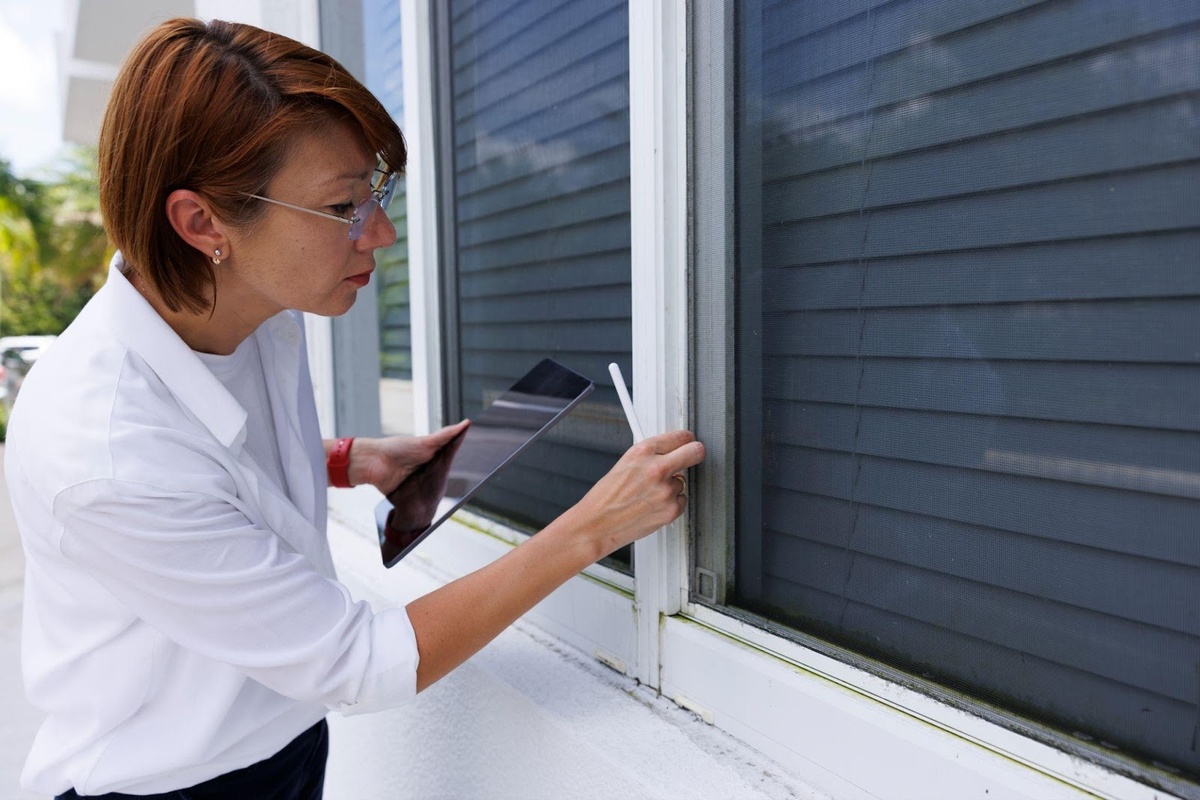
- Inspect Seals Annually: Check for signs of wear or damage around window seals and caulking. Replace any compromised materials promptly to prevent drafts.
- Clean Tracks and Hardware: Dust and debris can accumulate in sliding or casement window tracks, hindering smooth operation. Regular cleaning secures proper functionality and prevents air leaks.
- Monitor Condensation Levels: Excessive condensation between panes may indicate seal failure. Address this issue early to avoid further damage and maintain insulation properties.
- Trim Landscaping Around Windows: Overgrown shrubs or trees can trap moisture against your home’s exterior, potentially damaging window frames. Keep landscaping trimmed to promote airflow and reduce humidity buildup.
Conclusion: Invest in Expert Window Installation for a Greener Future
The benefits of replacing old windows with energy-efficient windows go beyond home improvement; it is an investment towards a greener and a more sustainable future. The advantages of this go well beyond the lowered utility bills to Calgary homeowners. Installed correctly, windows create adequate levels of comfort indoors, shield against harsh weather and reduce an environmental footprint. When you focus on professional installation, you make sure that your investment is going to be as productive as possible with the long term benefits.
As we have seen, energy is not efficient only in windows. They can be combined with other complementary improvements, routine checkups, and sensible planning to enhance their effectiveness. Regardless of whether you are caulking drafts, improving insulation, or learning about local incentives, all the little additions will combine to make the house more energy efficient.
After all, your life and comfort decisions today will define your home comfort and sustainability in the years ahead. Hence go ahead and take that first step – evaluate what you need, check out what is available and invest in what fits in your concept of a warmer eco-friendly home.