

When we discuss sustainability, it would be a thick report, complicated graphs and gibberish that would put workers to sleep. The situation was indeed true to energy companies in particular: how can you make people care about a topic as technical as the carbon reduction targets or renewable energy transition plans?
Enter AI image tools. They have become one of the most concrete tools in the toolbox of a sustainability communicator in a few years, not a gimmick, but a means of making complex concepts feel human, relatable, and worthy of paying attention to.
In This Article:
The Communication Gap in Sustainability Messaging
The environment in which energy companies are functioning is one that has high stakes and thick subject matter. Offshore wind capacity, grid modernization, schedule, scope 3 emissions—these are facts that are real and count but they are, in fact, really difficult to explain to a general audience.
The conventional methods were heavy reliance on:
- PDFs which were text-heavy.
- Decks with graphs on slides.
These formats have been proven to be effective with the regulators and investors but they seldom hit the ground with the ordinary communities, local stakeholders or even those employees who are not directly involved in the sustainability programs.
The difference between what is actually being done by the energy companies and what the people are even aware of has always been a large one. It is beginning to be closed by AI image tools.
Turning Data Into Visuals That Actually Connect
Among the simplest applications of AI image tools by energy companies, there is converting dry information into interesting visual formats to be used in social media and community newsletters, as well as annual sustainability reports.
The Power of Visualization
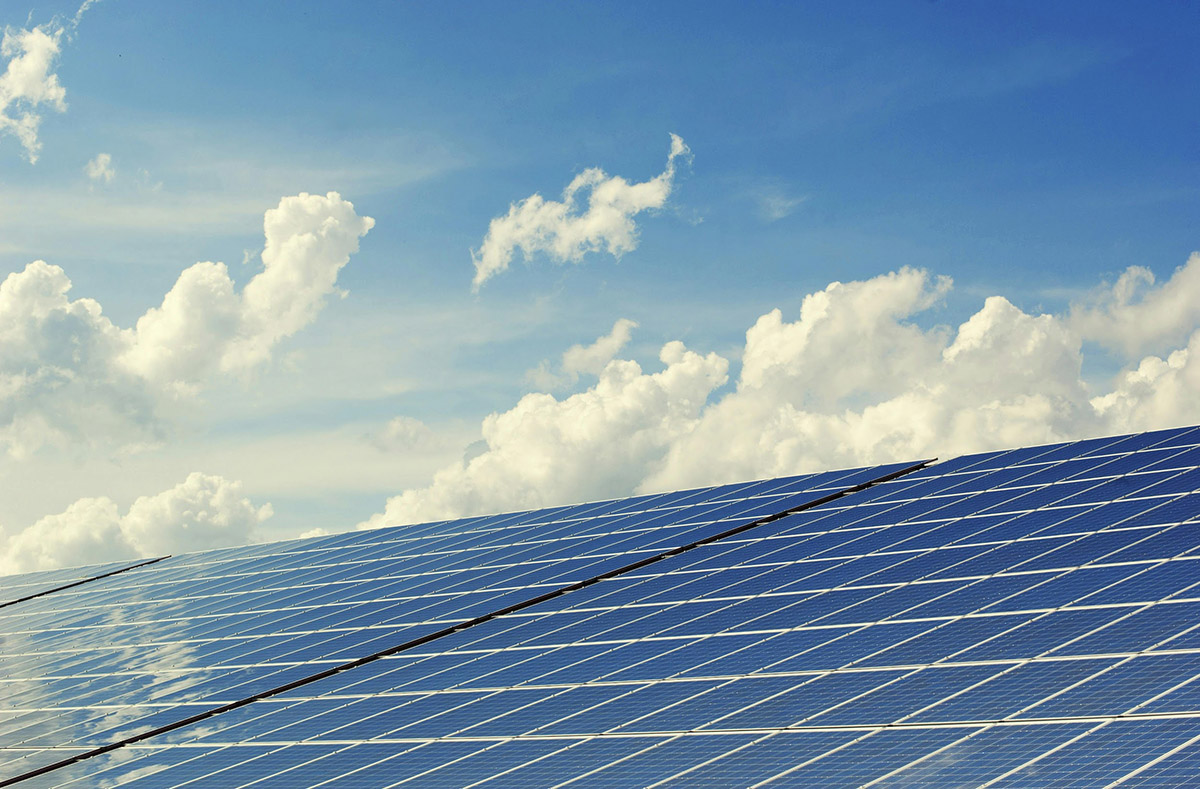
Consider the example of a solar farm project:
- The generic formula: A paragraph of statistics on megawatts and estimated CO₂ reductions.
- The AI-enhanced way: A graphic visualization of those numbers, placed onto something physical—how many houses are energized, how many cars taken off the road like them, what the land used to look like and what it does now.
Some teams are even experimenting with tools like an Image to Cartoon Converter to create illustrated explainers aimed at younger audiences or community education programs. Instead of placing a photograph of an industrial facility in a brochure they make it more friendly and approachable by illustrating something that conveys the same message, but does not have the cold industrial touch. It sounds easy, and the engagement difference may be massive, in particular, when the task is not only to report but also to establish trust between people.
Making the Abstract Feel Real
One of the trickier parts of sustainability communication is that so much of it is invisible. Carbon sequestration is impossible to photograph. It is impossible to capture an image of a 15 percent decrease in Scope 2 emissions. However, you can visualize the visuals which can help to make those invisible processes visible.
AI image generators are visualizing what a cleaner energy future would look like not as stock imagery of something aspirational, but rather:
- Actual, grounded illustrations of real projects.
- Installations of coastal wind or neighborhood solar.
- Modernized grid substations.
When such visuals are consistent with the real geography and the context in which the company works, they find a reflection that generic visuals never have. This comes in handy when engaging stakeholders in materials. When a company is making a presentation to a local council or is putting on a public consultation, the possibility of providing a realistic visual representation of a proposed project, created in a rush and at relatively low cost with the help of AI, can alter the entire atmosphere of the discussion.
Personalizing the Human Side of the Story

Sustainability is not an infrastructural issue. It is also about people, those who work on it, those who live in the community, those engineers and technicians who get it done on a daily basis. Energy firms have come to realize that humanizing sustainability initiatives is important.
This has brought about some interesting possibilities due to AI portrait generation. Rather than relying on expensive photo shoots or overused stock photography (the generic “smiling engineer in a hard hat” is its own cliche at this point), communications teams can use an AI Portrait Generator to create diverse, realistic visual representations of the people behind sustainability work. This is especially handy with:
- Internal communications.
- Training resources.
- Campaign collateral with inclusion and representation as the objective.
Speed and Consistency Across Campaigns
The second advantage that should not be underestimated: AI image tools are quick, and they are consistent.
One of the largest energy companies can be conducting sustainability communications in dozens of markets—in different countries, different languages, different regulations. Maintaining the visual identity and adjusting it to local contexts at the same time would cost a lot of creative manpower and budget. AI has enabled such a scale to be significantly feasible.
The assets of a campaign previously built up over weeks, can now be built up and experimented on within hours. When you want to be agile in responding to immediate events, link your sustainability narrative with new cycles, and rapidly adapt messaging due to stakeholder feedback- so it matters.
The Authenticity Question
It would be a good idea to be straightforward with the glaring issue; is AI-generated imagery going to weaken sustainability communication?
It can, if it’s used carelessly. Too polished, too perfect images, having nothing to do with what a project really looks like, can undermine trust and not support it. Energy firms that apply AI tools intelligently, in an attempt to describe the actual work in a more lucid fashion, rather than providing a false facade over a fraudulent set of promises, will do so successfully. The people who use it to hide, instead of clarify, are not less endangered, with or without the help of AI.
The tool is neutral. The intent behind it isn’t.
A Practical Shift, Not a Revolution
To claim that AI image tools have changed sustainability communication in one night would be an overstatement. They have done this by making good communication more accessible; one that is not so reliant on a large in-house creative team or a huge agency budget.
That would be a significant change to the energy firms that are sincerely attempting to communicate their sustainability story in a straightforward and truthful manner. These tools are already being used by the best ones, not to apply dress-up to the skinny messaging of the work, but to render substantive work more visible and comprehensible to those people it most affects.
And in a space where public trust is hard-won and easily lost, being understood clearly is about as good a foundation as you can build on.